
Common Industrial Chemical Spills & Its Prevention In UAE
What is the main reason for chemical spills in the industrial sector, and what precautions can be taken to prevent them?
Rapid industrial development is concentrated in the UAE’s industrial sector. But this also results in more accidents and chemical spills. Industrial spills, no matter how minor, can have a significant effect on both human life and the environment.
The common chemical spills in the UAE and the preventative measures that can be implemented will be thoroughly examined in this blog.
Table Of Contents:
What are Industrial Chemical Spills?
The unintentional and uncontrolled discharge of chemicals in factories, refineries, laboratories or any other industrial setting is referred to as an industrial chemical spill. Leaks, tank ruptures, pipeline failures, improper handling, etc. can all cause this. The environment may be polluted with large discharges whereas people may get affected adversely.
Factory operations may suffer monetary losses due to asset and equipment use. Consequently, it is important to understand and prevent chemical spills from industries.
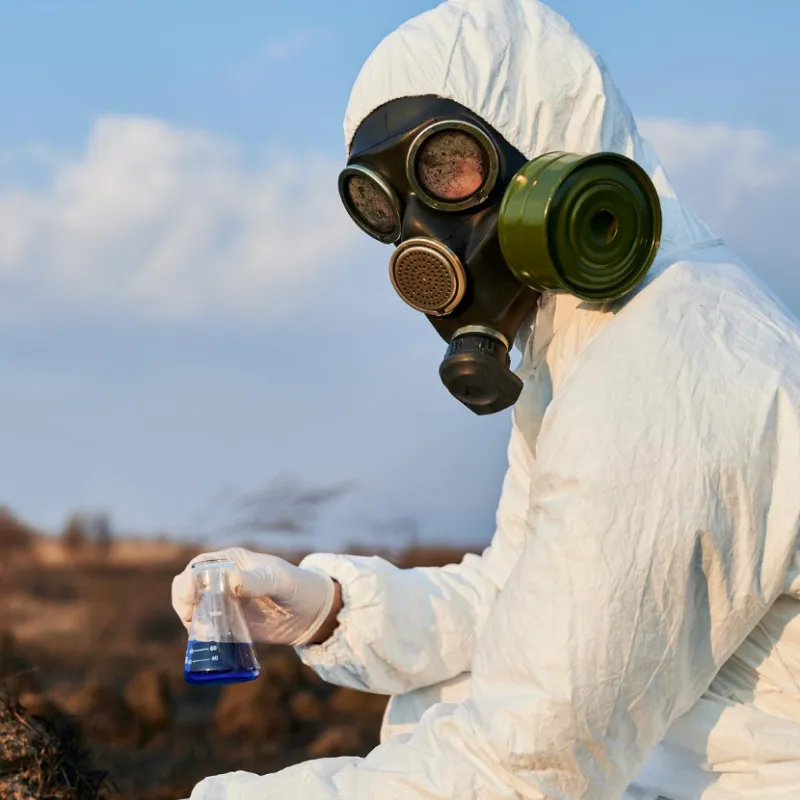
What Causes It?
There are several reasons why industrial chemical spills occur. These are the most crucial ones. Equipment malfunctions or failures include:
- Equipment that may be damaged or worn out includes tanks, pipelines and valves, for example.
- People may work carelessly with chemicals.
- Due to improper storage or inappropriate circumstances, the storage of chemicals can be hampered.
- Things like inferior safety gear and lack of respect for protocol are unreliable safety measures.
- The term ‘lack of maintenance’ means failure to regularly inspect equipment such as pipes, tanks and alarms.
Common Industrial Chemical Spills in the UAE
Hydrochloric Acid (HCl):
Strong hydrochloric acid is used for pickling plastic manufacturing, metal cleaning and making pharmaceuticals in a wide range of applications. Yet, minor leakages could cause a big disaster due to its high acidic nature. The Effects of Spills:
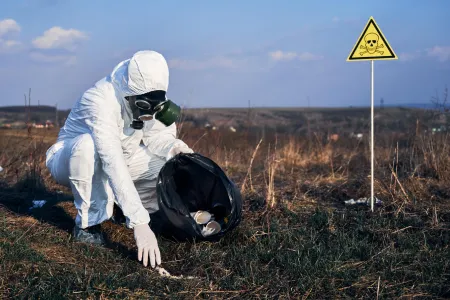
- Severe burns, cuts, and hair loss can happen as side effects.
- Exposure to the eye may lead to loss of vision.
- Inhaling HCl gas can lead to severe coughing and suffocation.
- The contamination of water sources occurs when it mixes with soil and water bodies, inflicting serious pains on plantations and fish life.
- The impact of mineral processing is mineral deterioration and blackening of steel pipes, tanks and equipment.
Sulphuric Acid (H₂SO₄):
In industry sulphuric acid is one of the most commonly used strong acids. It is employed in the production of batteries, chemicals, minerals, leather and other materials. Even minor spills can pose serious risks due to its extremely potent acidic nature. The consequences of spills:
- Skin damage includes severe burns, long-term skin issues and permanent damage.
- Direct contact with the eyes can result in vision loss.
- Inhalation of acid droplets in a humid environment can result in severe asphyxiation, coughing and wheezing.
- Environmental damage includes the possibility of contaminating soil and water sources as well as harm to aquatic plants and fish.
- Collapse, extreme corrosion and long-term metal damage are examples of equipment and pipe damage.
Ammonia (NH₃):
Ammonia is a powerful chemical gas that is widely used in the industrial sector in fertilizer production, refrigeration systems and chemical manufacturing. Concentrated gases can poison living organisms as well as the environment, especially rice.
- The person starts experiencing severe shortness of breath, coughing, and respiratory distress as he/she inhales ammoniacal gases.
- Severe irritation of the eye, watering from the eye, and possible loss of vision.
- The gas causes irritation, which includes an itchy and burning sensation on contact with the skin for a long period.
- Well-being might be harmed by ammonia released to air, and it may pollute water.
- Harm to machinery and equipment In a mixture with high acidic or alkaline character, the metal equipment can suffer damage and may fail.
Oil and Petroleum Products:
The most often handled chemicals in the UAE’s industrial sector particularly in the oil and gas industry, are oil and petroleum products. Oil spills at refineries, storage tanks, transportation pipelines and loading and unloading facilities can range in size from minor to major. Spill out the consequences:
- Due to the high flammability of petroleum products, even tiny sparks have the potential to cause significant fires and explosions.
- Long-term respiratory issues, headaches, nausea and dyspnoea can result from breathing in oil fumes.
- Fish and plant life can be severely harmed by oil in soil and water sources.
- Marine pollution can cause long-term environmental issues.
- If oil is added to drinking water sources, they may no longer be suitable for human consumption.
- Industrial operations can be disrupted by leaks, which can result in major financial losses, production halts and legal problems.
Chlorine (Cl₂):
Chlorine is a powerful chemical gas that is extremely toxic. The paper and pulp industries, chemical manufacturing facilities, water treatment plants and industrial cleaning procedures all make extensive use of it. If even tiny amounts of this colourless strong-smelling gas are released, there could be major risks to human health and the environment. consequences of a leak. Severe respiratory effects:
- Chlorine gas inhalation can result in severe dyspnoea chest pain and lung tissue inflammation.
- Severe eye irritation, tearing and potential loss of vision, either temporary or permanent.
- Itching, burning and skin irritation can result from direct chlorine contact.
- Nearby human settlements and wildlife are seriously threatened by airborne chlorine.
- Chlorine leaks result in production halts, emergency evacuations and significant financial losses.
Sodium Hydroxide (NaOH):
The production of soap and detergents, the paper and pulp industries, textile processing, water purification and chemicals all make extensive use of sodium hydroxide also referred to as caustic soda. Even minor spills of this highly alkaline chemical can pose serious risks. effects of spills:
- When sodium hydroxide comes into contact with the skin it can result in deep burns, severe burns and irreversible scarring.
- It can result in partial or total blindness if it gets into the eyes.
- Coughing, chest pain, shortness of breath and lung damage can result from inhaling NaOH dust or mist/aerosol.
- If it enters soil or water sources, it alters pH levels and seriously harms aquatic and plant life.
- Concrete structures, pipes and metal equipment are susceptible to severe corrosion and collapse.
How to Prevent Them?
- ➤Tanks and containers suitable for their type should be used for storing chemicals. Chemicals that are alkaline and acidic should be kept apart. There must be warning signboards and clear labelling.
- ➤Pipelines, pumps, valves, tanks, etc. should be routinely examined and any damage should be fixed right away. Old equipment should be replaced as soon as possible because using it leads to leaks.
- ➤Workers who handle chemicals should receive the appropriate training. There should be clear instructions on how to use PPE and react in an emergency.
- ➤Bund walls, drip trays and spill pallets should all be used as preventative measures to stop chemical spills from spreading. This lessens pollution in the environment.
- ➤An emergency response plan should be in place outlining immediate actions, evacuation routes, first aid procedures and reporting systems in case of a spill.
- ➤It is important to keep neutralizing agents, oil spill kits and acid/alkaline absorbents in easily accessible places. This will assist in quickly controlling minor spills.
- ➤Leaks can be found early with the use of technical devices like gas detectors, leak alarms and automatic shut-off systems.
FAQ
Chemical spills contaminate soil, water and air and pose major health risks to people. They may also result in issues like explosions, fires and interruptions to industrial processes.
Among the most often spilled chemicals in UAE industries are hydrochloric acid, sulphuric acid, sodium hydroxide, ammonia, chlorine, and oil/petroleum products.
Yes. Even small spills can cause health problems and environmental pollution. Major accidents may result if this is not promptly controlled.