
Dealing With Spills: A Guide to Chemical Absorbents
A spill in a lab or a warehouse isn’t just a mess. It’s a ticking clock. The quicker you react, the less danger there is to your team and the environment, whether it’s an aggressive acid or an enigmatic solvent. For us at Spectrum Lines GCC, these goods serve as silent protectors. The goal of using high-quality chemical absorbents is to stop a minor leak from becoming a major liability, not just to clean up afterward.
Table Of Contents:
Why Do You Need Specialized Chemical Absorbents?
Regular sawdust or sand won’t cut it when you’re dealing with hazardous liquids. You need materials that won’t react with the spill. Most of our range is made from melt-blown polypropylene, which can soak up 10 to 20 times its own weight. This means less waste and faster cleanup times for your facility.
We’ve built an inventory designed to handle everything from citric acid to sodium hydroxide without breaking a sweat.
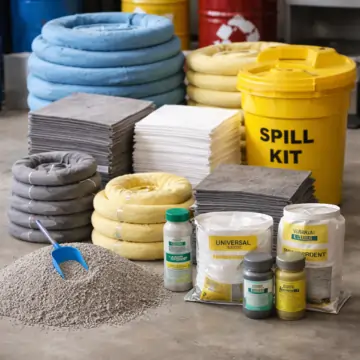
How Do Industrial Spill Kits Save Your Operations?
Downtime is a silent killer in the industrial sector. When a drum leaks, work stops. Having industrial spill kits on standby ensures that your crew can contain the liquid immediately. These kits are pre-packaged with everything needed for a rapid response, including PPE and disposal bags.
Quick action stops pollution from reaching the soil or water, which is a major focus here in the UAE.
Which Absorbent Format Works Best For You?
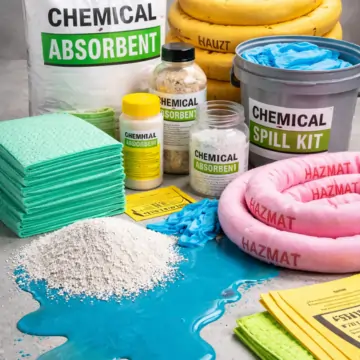
Not every spill looks the same. Sometimes you need a barrier; sometimes you need a sponge.
- Absorbent Pads: Best for wiping down surfaces or catching drips under a leaky valve.
- Absorbent Socks: These act as a flexible barrier to encircle a spill and stop it from spreading across the floor.
- Absorbent Pillows: Perfect for soaking up large volumes in tight spaces or under machinery.
The Real Cost of a "Hidden" Spill
The “silent spill” is the one you don’t see until it’s too late—seeping into concrete or under heavy racks. Using absorbent pads as a preventive measure under equipment can save thousands in remediation costs later. It keeps your workspace clean and your floors slip-free.
Staying Compliant in the UAE
Regulatory bodies are getting stricter. Having the right kit isn’t just a “nice to have”—it’s often a legal requirement. We ensure our products meet international safety standards so your business stays compliant and your workers stay safe.
Final Thoughts
Safety isn’t a one-time thing; it’s a habit. Does your team have the right tools to handle a chemical emergency today? Contact Spectrum Lines GCC to audit your spill response setup.
FAQ
Chemical spills contaminate soil, water and air and pose major health risks to people. They may also result in issues like explosions, fires and interruptions to industrial processes.
Among the most often spilled chemicals in UAE industries are hydrochloric acid, sulphuric acid, sodium hydroxide, ammonia, chlorine oil, and petroleum products.
Yes. Even small spills can cause health problems and environmental pollution. Major accidents may result if this is not promptly controlled.