
How to Choose the Right Chemical Storage Cabinet for Your Facility
Storing hazardous materials isn’t just about clearing shelf space. It’s about preventing a disaster before it starts. If you’re managing a laboratory, a factory, or a workshop in the UAE, you know the stakes are high. One leak or a single spark in the wrong place can lead to catastrophic consequences. By the end of this guide, you’ll know exactly how to pick a chemical storage cabinet that keeps your team safe and your facility compliant with international standards.
Table Of Contents:
What Should You Look for in a Chemical Storage Cabinet?
The short answer? Material compatibility and fire resistance. You can’t just throw everything into a metal box and call it a day. Different chemicals react differently to their environment.
The first step is identifying what you’re actually storing. Are they flammable liquids, or are they highly corrosive acids?
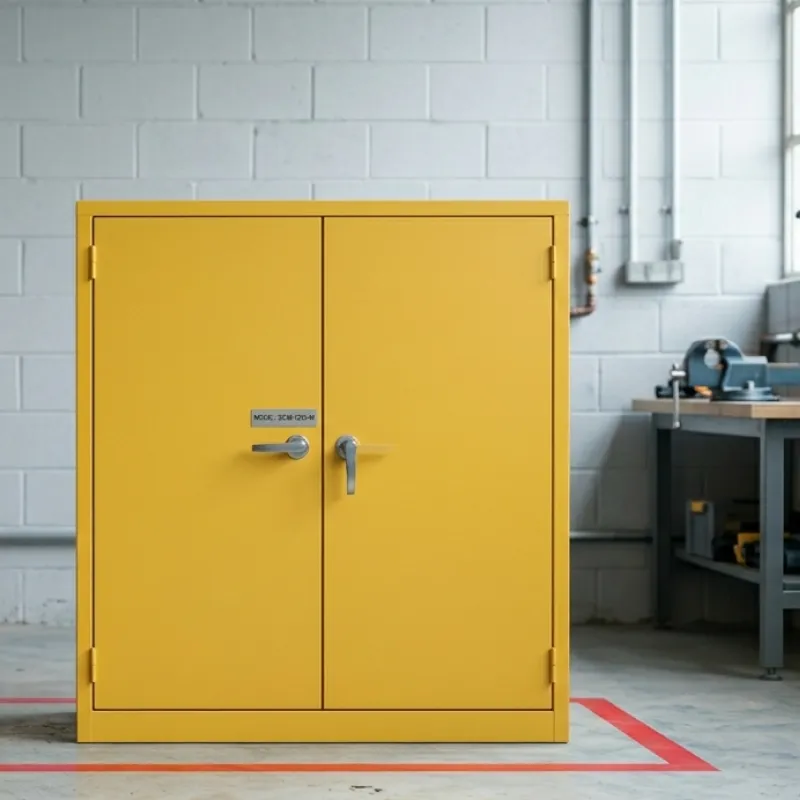
For flammable substances, you need a high-visibility yellow cabinet built with reinforced fire-resistant walls. These are designed to keep the heat out and prevent a fire from reaching the chemicals inside.
If you’re dealing with acids, you need a corrosive storage cabinet. These are often lined with special materials like polyethylene to resist the “eating” effect of corrosive vapors that would eventually destroy a standard steel cabinet.
Match the Cabinet to the Chemical
The first step is identifying what you’re actually storing. Are they flammable liquids, or are they highly corrosive acids?
For flammable substances, you need a high-visibility yellow cabinet built with reinforced fire-resistant walls. These are designed to keep the heat out and prevent a fire from reaching the chemicals inside.
If you’re dealing with acids, you need a corrosive storage cabinet. These are often lined with special materials like polyethylene to resist the “eating” effect of corrosive vapors that would eventually destroy a standard steel cabinet.
Safety Features That Matter
A good cabinet does more than just hold bottles. Look for these non-negotiables:
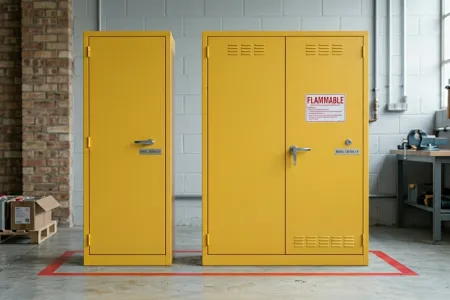
- Dual Vents: These release heat and prevent the buildup of dangerous fumes.
- Leakproof Sills: A built-in spill containment sump at the bottom ensures that if a bottle breaks, the liquid stays inside the cabinet.
- Self-Closing Doors: In the event of a fire, some models have fusible links that melt, automatically shutting the doors to seal off the contents.
Why Compliance with NFPA and OSHA is Vital
In the UAE, safety regulations aren’t just suggestions. Using a chemical storage cabinet that meets NFPA (National Fire Protection Association) and OSHA guidelines is a standard requirement for industrial facilities.
These certifications prove that your equipment has been tested under extreme conditions. For example, a fire-rated cabinet must be able to maintain its internal temperature for a specific amount of time even while the outside is engulfed in flames.
Small Details, Big Impact
Don’t overlook the “extras” that make a facility run smoothly. We often recommend adding an MSDS box near your storage area. It keeps your safety data sheets accessible so that in an emergency, anyone can quickly see how to handle a specific spill.
Also, consider the grounding wire. Static electricity is a silent killer in chemical storage. A grounded cabinet bleeds off that static, removing the risk of a spark jumping when you open the door.
Final Thoughts
Choosing the right storage solution isn’t just a purchase; it’s an investment in your people. Whether you need a compact PPE cabinet or a heavy-duty drum storage unit, the goal is always the same: zero accidents.
FAQ
Short answer: No. Storing them together is a recipe for trouble. Corrosive vapors can damage the fire-resistant seals on flammable cabinets, and the chemicals themselves can react violently if a leak occurs. Always keep them separate.
Think of it as a built-in safety net. It’s a recessed area at the bottom of the cabinet designed to catch drips and spills. This prevents hazardous liquids from flowing out onto your warehouse floor and causing a slip hazard or environmental damage.
It's about visibility. In a smoke-filled room or a dark warehouse, that "safety yellow" stands out. It helps emergency responders and workers identify the most dangerous areas of the facility instantly.
It depends on the chemicals. For highly volatile or smelly substances, venting is a great idea to keep your workspace air clean. Just make sure you follow local environmental laws regarding what you're pumping out into the air.