
Stop Believing These Myths About Eye Injuries in the Workplace
Think your office is safe because you don’t work with power tools? Think again. Eye injuries in the workplace happen every day, and most of them are caused by simple misconceptions. Many people believe that if they aren’t on a construction site, their eyes are fine. The truth? Danger doesn’t care about your job title.
At Spectrum lines, we see it constantly: workers skipping protection because of a “myth” they heard years ago. We’re here to kill the fluff and give you the facts.
Table Of Contents:
What Are the 5 Dangerous Myths About Eye Injuries in the Workplace?
Myth 1: "My Regular Glasses Are Enough Protection."
The short answer? Absolutely not. Your daily prescription lenses are designed for vision, not impact. In a real accident, these can shatter, turning a minor incident into a permanent disaster. Real safety eyewear is tested to handle high-velocity impact.
If you’re working in an area with flying debris or chemicals, you need certified goggles or glasses with side shields. Anything else is just a false sense of security.
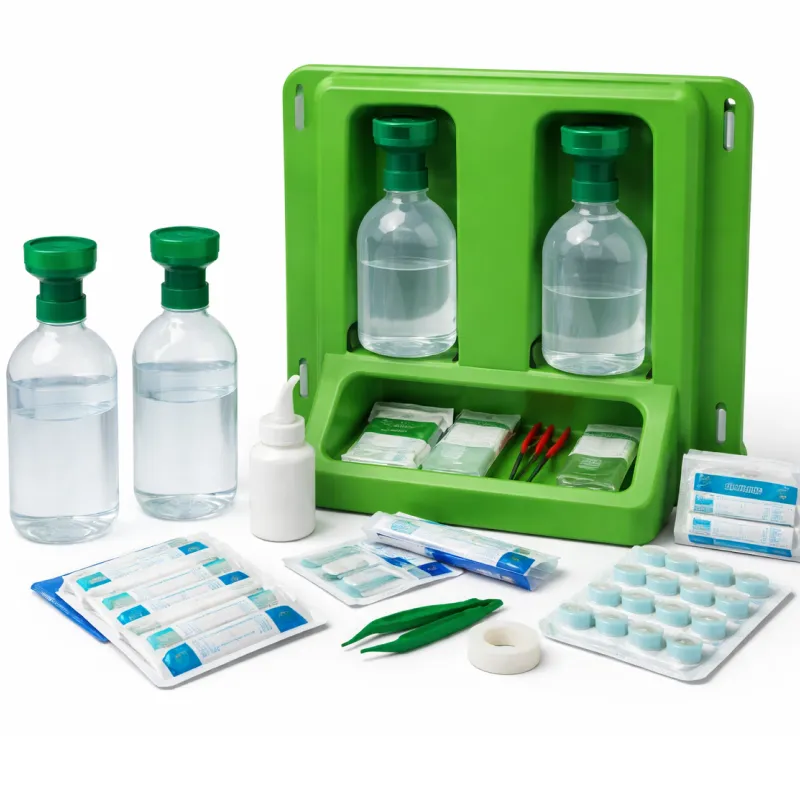
Myth 2: "I Only Need an Eye Wash Station for Big Chemical Spills."
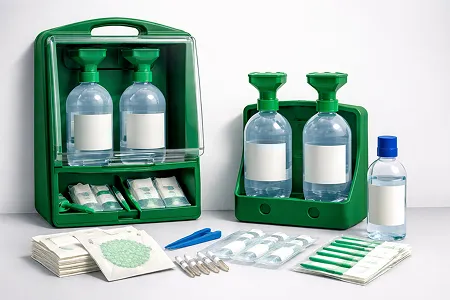
Wrong. Even a tiny speck of dust or a minor splash of a “mild” cleaner can cause a corneal abrasion. You shouldn’t wait for a catastrophe to think about first aid. Having emergency eyewash kits nearby is vital for immediate rinsing.
Myth 3: "Safety Goggles Always Fog Up, So They're More Dangerous."
Fogging is annoying, sure. But taking them off is what’s actually dangerous. Modern safety gear uses anti-fog coatings specifically designed to keep your vision clear while keeping your eyes in your head. If your gear fogs, you have the wrong gear—not a reason to skip it.
Myth 4: "Eye Injuries Only Happen in Heavy Industry."
Tell that to the 40% of workers in offices, labs, and healthcare who suffer eye trauma every year. Digital eye strain is real, but so are accidental pokes, chemical splashes from cleaning supplies, and flying staples. Hazards are everywhere.
Myth 5: "If I Get Something in My Eye, I Should Rub it Out."
Never. Rubbing a foreign object in your eye is like taking sandpaper to your cornea. You’ll likely scratch the surface or embed the particle deeper. The move? Flush it with clean water for at least 15 minutes.
Final Thoughts
Your sight isn’t something you can “fix” once it’s gone. Most workplace eye injuries are 90% preventable with the right gear and a little common sense. Don’t let a myth be the reason you lose your vision.
FAQ
In a pinch? Yes, running water is better than nothing. But tap water can have bacteria. It’s always better to use a dedicated eyewash solution from a kit. It’s sterile and pH-balanced, so it doesn't sting like crazy.
For typing? No. But if you’re handling toner, heavy cleaning chemicals, or working near maintenance areas, put them on. Better to look a bit dorky for five minutes than to deal with a chemical burn.
That means they don't fit. Safety gear isn't "one size fits all." Look for adjustable frames or padded temples. If it’s uncomfortable, you won’t wear it, and that’s when accidents happen.
It won't make you go blind, but it'll make your life miserable. Headaches, blurred vision, and dry eyes are your body’s way of saying "help." Use the 20-20-20 rule: every 20 minutes, look 20 feet away for 20 seconds.